
Discover the key figures behind cashback, its benefits for publishers, advertisers, and consumers, and why cashback in affiliate marketing is becoming a powerful growth driver.
Cashback: a key lever for your marketing strategy
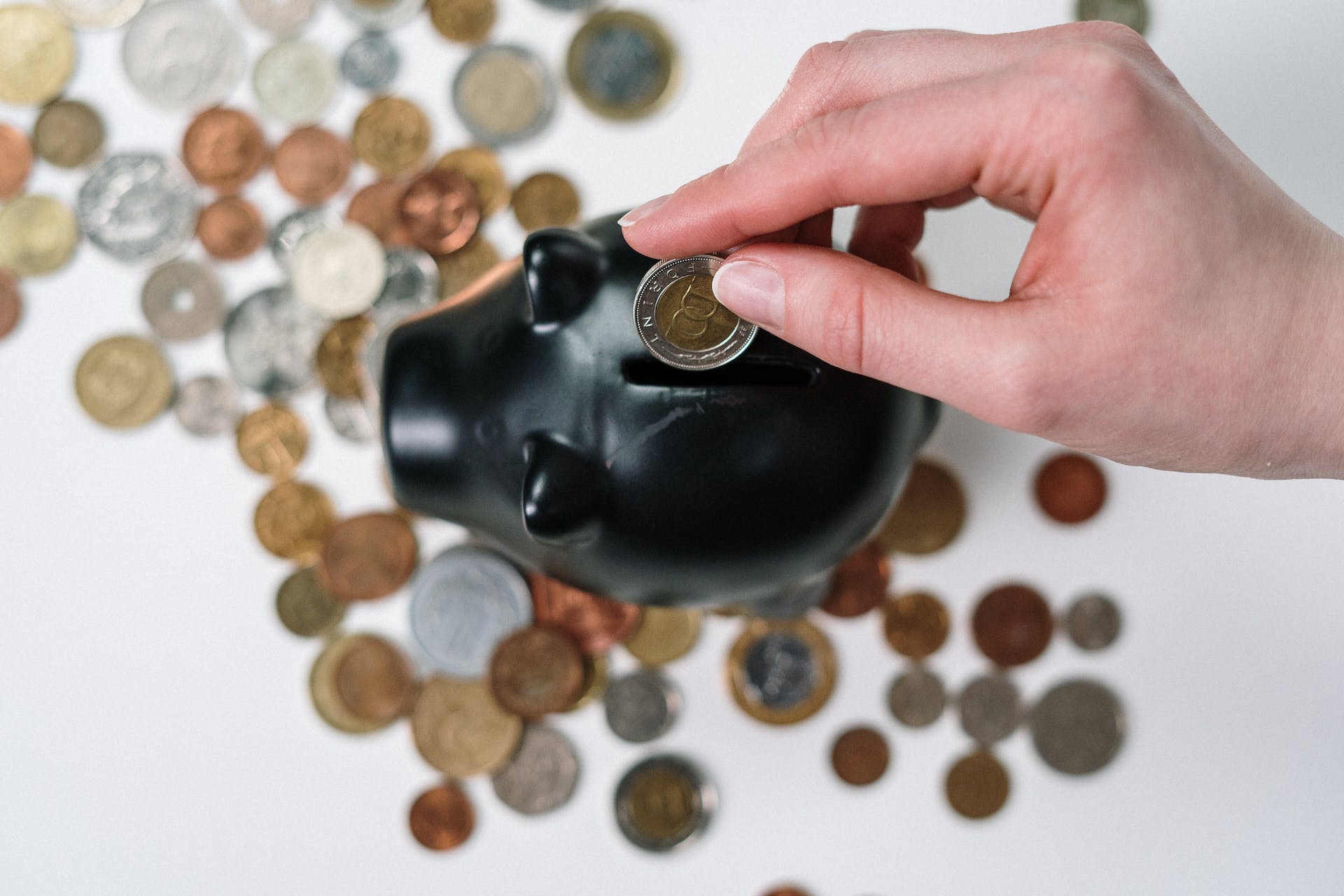
The cashback service, which literally means “money back,” was launched in the United States in 1998. With the growth of online shopping, cashback continues to expand in France. It works as a credit system based on a percentage of the shopping cart value that consumers recover through a cashback platform.
Key figures
According to a recent study published by the French Performance Marketing Association (SNMP) and Xerfi:
- 36% of respondents understand how cashback works
- 24% have heard of it
- 40% are not aware of the concept
- Among those who understand cashback, 76% use it
From the e-commerce perspective:
- Average conversion rate reaches 5%
- Average order value increases by 10–20%
- Purchase frequency is doubled
- 96% of advertisers would recommend cashback
- 71% say cashback is an effective acquisition and loyalty lever
Regarding visibility:
- 63% of users discover new e-commerce brands through cashback platforms
- 75% say cashback increases trust in online purchases
How does cashback work?
The goal is to allow customers to accumulate credit when purchasing products and later recover that money.
First, the consumer purchases from an e-commerce site partnered with a cashback platform. Once the sale is confirmed, the advertiser unlocks the cashback credit, which is stored in a virtual wallet. The consumer can then withdraw or reuse this amount for future purchases.
This mechanism makes cashback in affiliate marketing a performance-based and highly measurable channel.

Benefits of cashback for market players
For consumers
Cashback is not just another discount. It is perceived as a reward based on previous purchases while allowing customers full freedom in how and when they spend. Consumers receive a refund on part of their purchase amount.
For publishers (cashback platforms)
Cashback platforms promote e-commerce and build user loyalty while increasing average basket size. They earn a commission on each validated sale.
For advertisers
Cashback significantly boosts brand visibility and helps attract new customers. In return, advertisers pay a commission to the cashback publisher for each sale generated.
Flexible strategies for advertisers
Commission rates can vary depending on the product category or whether the customer is new or returning. For customer acquisition, brands can offer higher commissions to encourage platforms to promote their offers to new users.
Depending on their objectives, advertisers can use cashback to:
- Increase visibility among qualified audiences
- Improve customer loyalty and repeat purchases
- Reduce customer acquisition costs compared to paid media
- Gain a competitive advantage in crowded markets
- Increase average order value by incentivizing higher spending
- Launch fast, performance-based campaigns with low upfront costs
- Boost product turnover through targeted incentives
- Preserve brand value, unlike traditional discounts that can devalue pricing perception
Conclusion
Cashback in affiliate marketing is a powerful digital marketing tool for e-commerce brands. It helps increase visibility, drive loyalty, boost conversions, and improve average order value while maintaining a performance-based ROI model.